Discovery & specification
User roles, process maps, data model, acceptance criteria and integration contracts.

Turn a defined operational problem into a tested application scope. Discovery covers users, data, permissions and integrations before technology choice, with delivery organized around reviewable milestones and acceptance criteria.
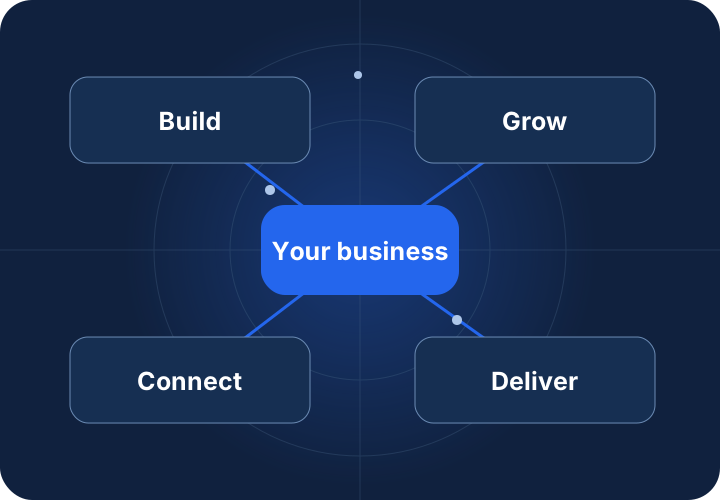
The following workstreams inform your proposal. The agreed deliverable list defines what is included; they are not an automatic package bundle.
User roles, process maps, data model, acceptance criteria and integration contracts.
Wireframes and interactive prototypes validate the workflow before costly implementation.
Agreed application features, access controls, API behaviour and exception handling built and tested incrementally.
Environment planning, documentation, handover, source ownership and maintenance responsibilities specified before release.
Workflow illustration. Application connections and automation are verified separately before activation.
Access, compatibility, provider terms and acceptance testing determine what can be connected. No new subscription is assumed.
Review goals, users, content, data and system access. Agree a dated milestone plan after discovery. Complexity, dependencies and review turnaround determine the schedule; no unverified fixed delivery time is promised.
Receive a proposal with deliverables, exclusions, responsibilities and acceptance criteria. Provider fees, licenses, media spend and ongoing support are separated where applicable.
Compare Launch, Grow, Scale & custom scope ↗Review on an isolated environment, test the agreed scenarios and approve the release separately. Handover, maintenance hours, response expectations and change requests are defined in the support agreement.
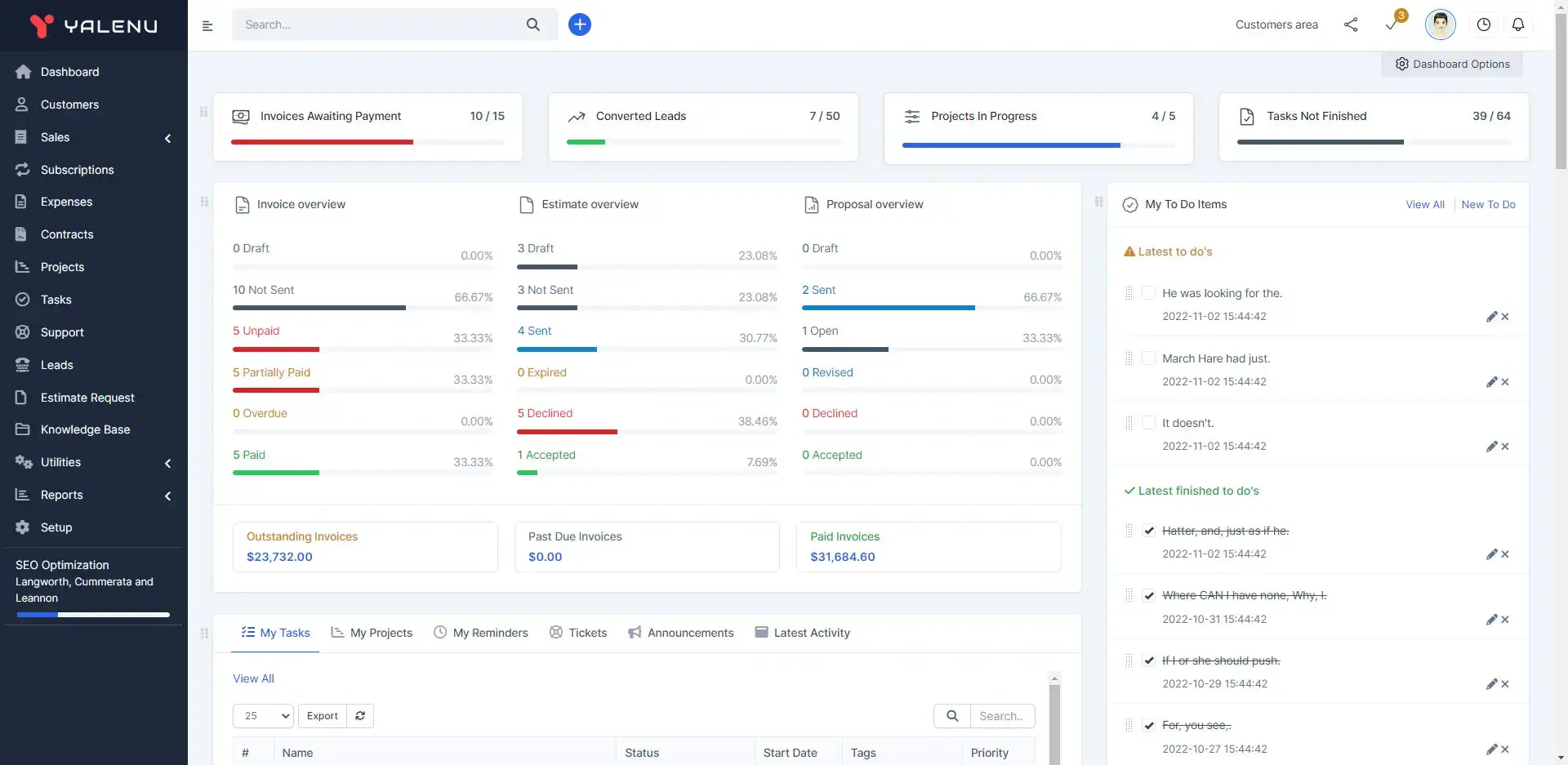
Published CRM project with dashboard, contact and pipeline interfaces. Scope lists web/mobile development and website management.
This example shows published scope, not proof that all connections described on this page were implemented. Testimonials are published only when approved.
Explore the project ↗Questions specific to Custom Software & Mobile App Development.
We compare requirements, ongoing cost and maintenance. Custom development is justified when existing tools leave a meaningful gap.
Device capabilities, offline needs, distribution and budget determine the architecture. No platform is chosen before discovery.
A scoped prototype can validate flow and usability. It is clearly distinguished from a secure, deployable application.
Ownership, repository access and third-party licenses are defined contractually before implementation.
We first establish whether a supported API or export exists. Unsupported access methods are not assumed.
Feature complexity, approvals, dependencies, data quality and acceptance testing shape the milestone plan.
Store accounts, review, distribution requirements and fees are separately scoped and owner-approved.
Maintenance, hosting, bug handling and feature changes need an agreed operating model.
Tell us where you are today. We’ll help you plan what comes next.